Standby Generators: The Essential Fix for Continuous Electricity
Automatic generators are an important shield against power interruptions. These systems operate smoothly, switching on in moments when power fails. Fueled by various energy sources, they make certain operations continue during emergencies. Nevertheless, knowing their advantages and specifications is vital for achieving the right conclusion. What aspects should one consider before acquiring such a system? The next segments discuss these crucial elements.
The Mechanics of Backup Power: How They Work

Automatic generators are vital systems that offer reliable emergency electricity when the grid fails. These units are usually placed on the exterior of the property, connected to the electrical system and running on gas, propane, or diesel. When a power interruption occurs, the system recognizes the lack of power and activates within seconds. This process involves a specialized transfer switch, which disconnects the home from the grid and switches the load to the generator
(Portland Standby Generators)The system starts creating electricity, feeding electricity to vital loads or the entire facility, based on its size. The majority of backup systems include a built-in monitoring system that confirms optimal performance and upkeep. The generators function for prolonged times, providing a reliable power source until the main grid is back online. Understanding the mechanics behind standby generators enables users to see their importance in enhancing energy security and lessening outages when the power suddenly fails
Why Install an Automatic Generator
Reliability is a significant advantage of utilizing this type of generator, as it guarantees an uninterrupted power supply during blackouts. This vital function guarantees that facilities stay running, securing critical items and preserving convenience. In addition, backup systems boost security by preventing power outages that might cause dangerous conditions, such as pipe damage or critical device shutdowns.
Value for money is another benefit; while the upfront cost may be substantial, the long-term savings from avoided food spoilage, business interruption, and urgent maintenance can be remarkable. In addition, backup power systems boost the home's worth, positioning them as an desirable characteristic for potential buyers.
Ease of operation is a key factor, as they start up on their own during an outage, doing away with the requirement for manual intervention. This uninterrupted functionality lets people to continue their everyday activities without disruption. Overall, installing a standby generator provides security, guaranteeing that power is always available when critical.
Important Attributes to Consider in a Backup Power System
When selecting a standby generator, several key features must be evaluated to achieve the best results and appropriateness for individual requirements. Initially, the wattage capacity is crucial; prospective owners must determine the wattage required to run critical equipment during an outage. Moreover, the power source—whether NG, LP, or diesel—influences operation and operational costs.
An additional key element is the transfer switch, which facilitates seamless power changeover and boosts reliability. Construction and longevity are key factors; a sturdy unit can handle severe elements.
In addition, noise levels should be assessed, as quieter models are preferable for residential areas. Some generators offer automatic start capabilities, providing convenience during sudden power failures. Lastly, guarantee and maintenance plans need to be checked, providing reliable support and maintenance. By evaluating these features, potential purchasers can pick a unit that satisfies their specific energy requirements effectively.
Elements to Evaluate Before Purchase
Before committing to a standby generator, explore this prospective owners should carefully evaluate a few vital considerations to guarantee they make an well-considered conclusion. Portland Standby Generators. Initially, they must assess their power needs by figuring out the necessary capacity to run important appliances during an outage. Secondly, the type of fuel is critical; available types are natural gas, propane, or diesel, each with unique advantages and access factors
Furthermore, buyers should consider the generator's power switch mechanism, which facilitates seamless power transfer. The requirements for installation are crucial factors, because specific units could demand professional installation or obtaining necessary permits
Service agreements and warranties should not be overlooked, because they influence long-term satisfaction. Lastly, potential buyers should evaluate how loud the generator is, above all if they are located in a housing development. By examining these factors, customers may pick a standby generator that perfectly suits their unique needs and expectations
Tips for Maintaining Your Standby Generator
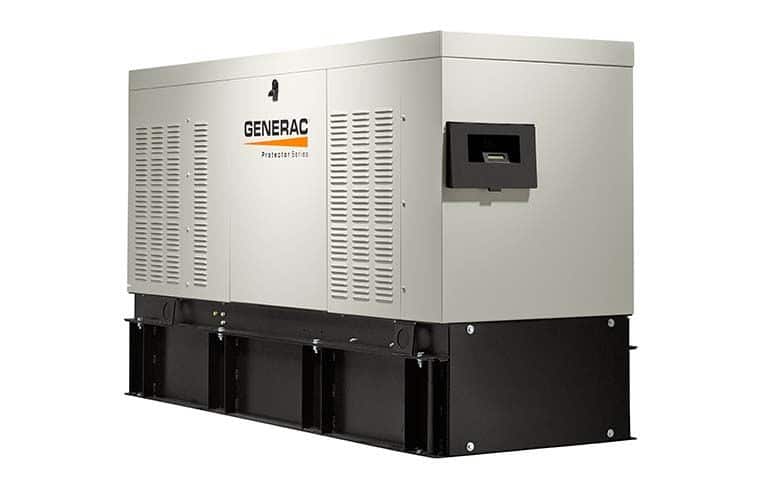
Routine servicing is crucial for guaranteeing ideal performance and longevity of a standby generator. Owners should begin by inspecting the generator's oil levels, and swap out the oil and filter as recommended by the maker. Regularly check the air filter and replace it as necessary to guarantee optimal airflow. It is crucial to check the battery and remove any terminal corrosion to keep the starting power consistent.
Conduct periodic load tests to ensure the unit can bear its rated capacity. Furthermore, ensure that the exhaust is clear of blockages and leaks. Keeping the generator clean and free from debris will help prevent overheating and other issues.
Lastly, book professional upkeep yearly to address any potential problems and perform in-depth inspections. Following these maintenance tips can greatly extend the lifespan of a standby generator, providing peace of mind when the power goes out.
FAQs
What is the Typical Price of Standby Generators?
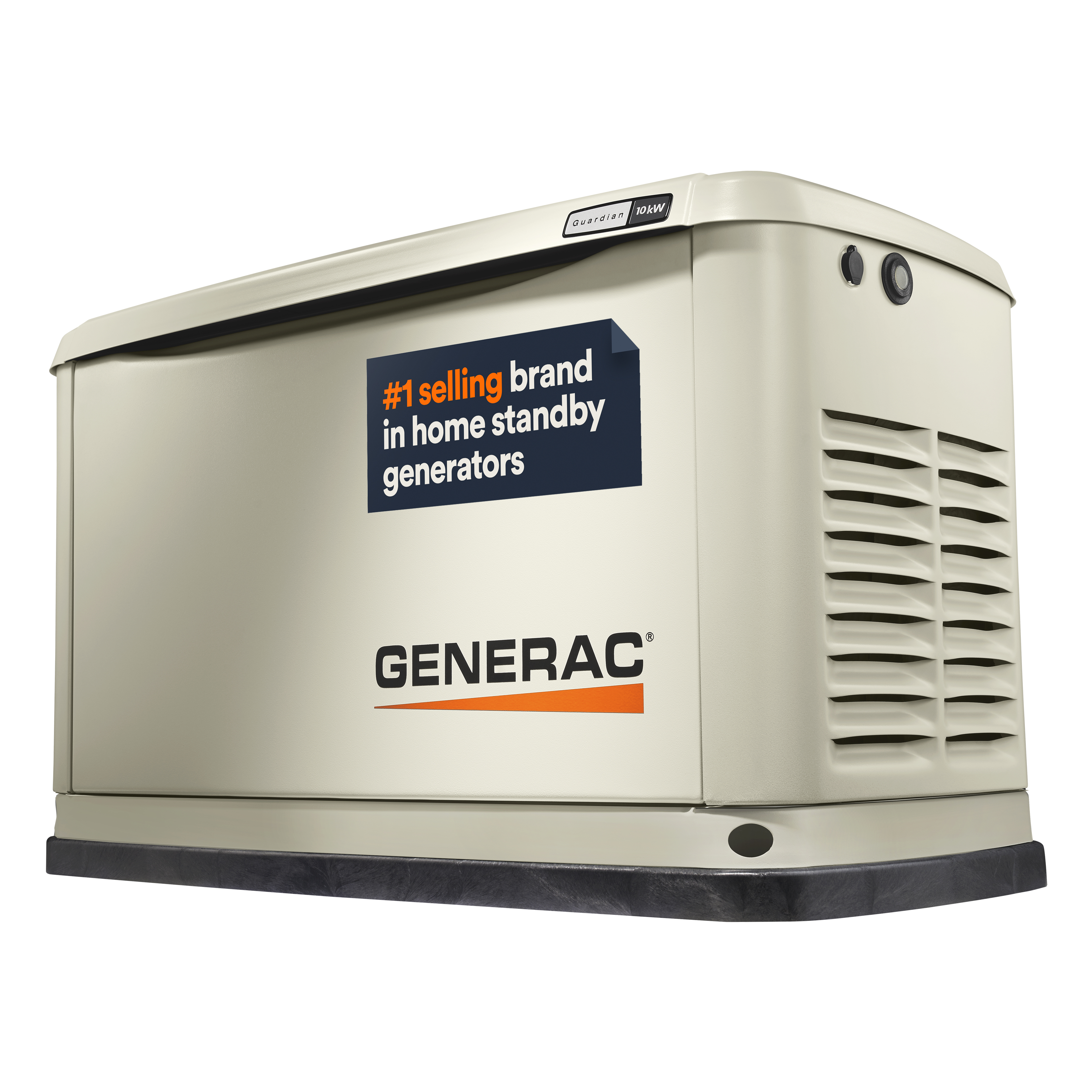
Backup generators usually range from $2,000 to $15,000, based on elements like brand, power capacity, and how complex the installation is. Additional expenses may include permits, fuel tanks, and maintenance, which impacts the overall cost.
Can I Install a Standby Generator Myself?
Self-installation of a backup generator is feasible, though it demands familiarity of local regulations and electrical systems. Most professionals advise hiring a professional to ensure security, conformance, and the best operation of the generator installation.
What Fuels Do Standby Generators Use?
Standby generators commonly run on energy sources such as natural gas, propane, diesel, or gasoline. Portland Standby Generators. The selection of energy source often depends on the cost, availability, and particular power requirements, which impacts the functioning and efficacy of the generator
Do I Need Permits for Installation?
Absolutely, installation permits are usually mandated for the installation of standby generators. Regulations vary by location, so it is essential for homeowners or contractors to check with local governing bodies to ensure adherence with all relevant codes and requirements.
For What Duration Can a Standby Unit Operate Continuously?
A standby generator can run continuously for varying durations, typically ranging from 24 to 48 hours, based on the load demands and fuel availability. Consistent servicing provides maximum efficiency and durability during prolonged periods of use.